Premier League Clubs Confront Sponsorship Changes as UK Weighs Rules on Unlicensed Gambling Partners
Frankie Hansen · Sep 13, 2026

Premier League Clubs Confront Sponsorship Changes as UK Weighs Rules on Unlicensed Gambling Partners
Half of the Premier League’s twenty clubs maintain sponsorship or advertising ties with gambling operators that lack UK licences, a figure that rose from six earlier in the summer and now places club revenue streams in the path of a proposed government prohibition slated for 2027. The shift coincides with the close of an eight-week official consultation that examined restrictions on sponsorships from unlicensed operators, setting licensed domestic firms such as Entain, Ladbrokes, and William Hill against league interests while highlighting issues of consumer protection and expansion of the unregulated sector.
Observers note that the increase to ten clubs reflects broader commercial pressures, with deals ranging from sleeve partnerships to pitch-side advertising that generate significant income for teams. Everton secured a sleeve arrangement with Stake.com, while 8XBet established agreements involving Chelsea, Newcastle, and additional clubs whose identities appear in recent industry reporting. These arrangements operate outside the regulatory framework that governs licensed operators, exposing clubs to potential revenue loss once the anticipated ban takes effect.
Consultation Process and Stakeholder Positions
The government consultation, which concluded after eight weeks of submissions, focused on prohibiting sponsorship by unlicensed gambling operators and addressed rising concerns about consumer safeguards alongside growth in the unregulated market. Licensed UK companies argued that such deals undermine the controlled environment they operate within, whereas the Premier League emphasised the financial role these partnerships play for member clubs. Data compiled during the period showed the jump from six to ten clubs, illustrating how quickly arrangements with offshore entities have spread through the league.
Examples of Current Deals
Everton’s sleeve partnership with Stake.com stands as one prominent case, alongside multiple agreements involving 8XBet that include Chelsea and Newcastle. These examples demonstrate the variety of advertising formats now in use, from kit placements to digital promotions, all tied to entities without UK licensing. The pattern indicates that clubs have pursued these relationships to offset operating costs and maintain competitive spending, even as regulatory signals point toward future restrictions expected in 2027.
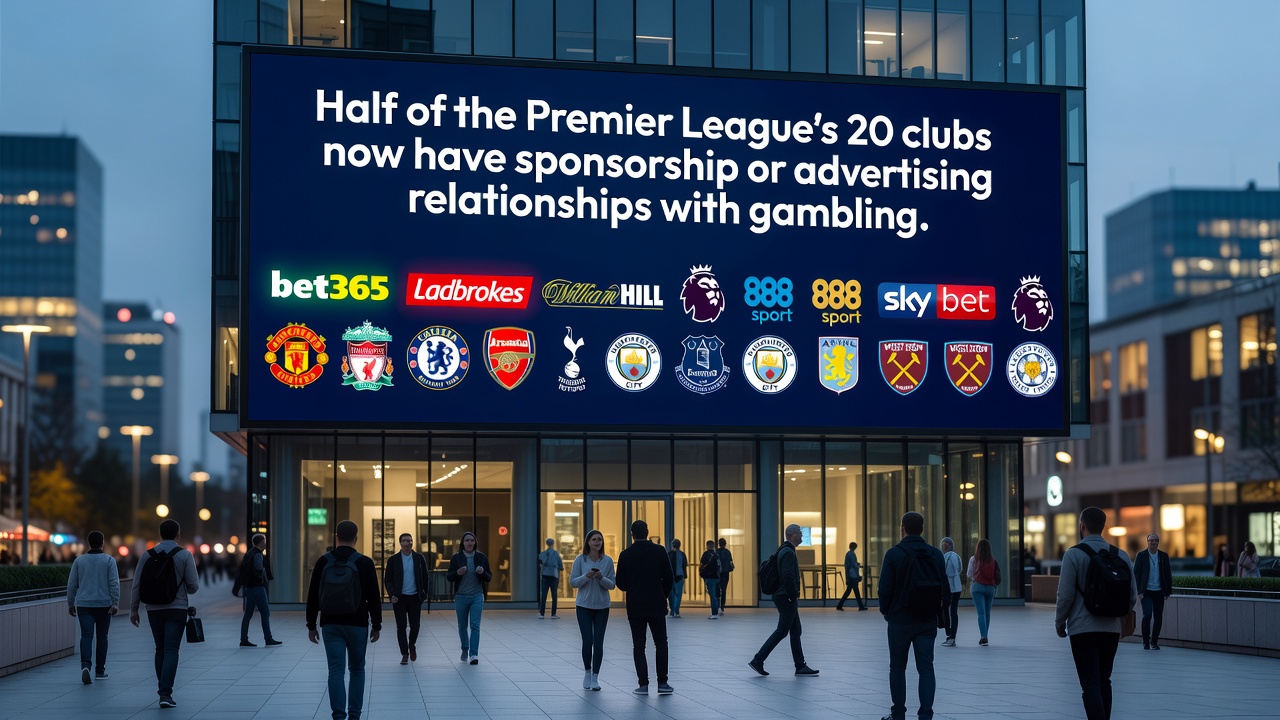
Those who have tracked the sector observe that the consultation period allowed both sides to present evidence on how unlicensed sponsorships affect the broader market. Licensed operators highlighted risks to consumer protections, while league representatives outlined the revenue implications for clubs that rely on these funds. The resulting picture shows ten clubs with active ties, up sharply from the six recorded earlier in the summer, and underscores the scale of exposure ahead of any legislative change.
Regulatory Timeline and Market Context
The proposed prohibition remains scheduled for introduction in 2027, giving clubs a window to explore alternative sponsorship sources or renegotiate existing contracts. Reports from September 2026 indicate that the rapid rise in unlicensed deals has drawn attention from regulators concerned about the growth of the unregulated gambling space and its potential impact on UK consumers. The consultation’s closure marks the end of formal input collection, after which officials are expected to finalise policy recommendations that could reshape how clubs monetise advertising space.
Figures compiled by industry monitors reveal that the ten affected clubs represent half the league, a proportion that has doubled in a matter of months. This acceleration suggests clubs have responded to commercial opportunities presented by offshore operators, even as the government consultation examined ways to limit such activity. Licensed entities such as Entain, Ladbrokes, and William Hill participated in the process to advocate for rules that would protect their regulated operations from competition by unlicensed rivals.
Conclusion
The current situation leaves Premier League clubs with ten active relationships involving unlicensed gambling partners, a development that coincides with the close of the government consultation and precedes the planned 2027 prohibition. The examples of Everton’s Stake.com sleeve deal and 8XBet arrangements with Chelsea, Newcastle, and others illustrate the scope of these partnerships, while the positions of licensed operators underscore ongoing tensions around consumer protection and market regulation. As the policy timeline advances, clubs face the task of adjusting revenue strategies in line wth emerging rules.