Surfing the Odds: Fresh Currents in Britain's Wagering Markets
Leon Franke · Jun 11, 2026

UK Gambling Landscape Braces for Unprecedented World Cup Betting Surge in 2026
The FIFA World Cup scheduled to begin in June 2026 stands projected as the largest single betting event in UK history, with analysts forecasting sharp rises in overall wagering volumes as football fans engage across multiple markets, and this development arrives alongside warnings from reform advocates about shifts in promotional tactics. Industry observers note that past tournaments have already set high benchmarks for betting participation, yet projections for the upcoming edition point to even greater activity driven by expanded digital platforms and live betting options that allow continuous engagement throughout matches.
Forecasted Increases in Wagering Activity
Data compiled ahead of the tournament indicates that UK bettors will likely place record numbers of wagers during the event period, with remote betting channels expected to capture the majority of this growth while traditional outlets also see upticks in footfall, and these patterns align with broader trends where major international football competitions consistently correlate with elevated gambling participation rates across the population. Figures from previous cycles show that betting volumes can multiply several times over during peak tournament weeks, particularly when England or other high-profile teams advance deep into knockout stages, which creates sustained interest that operators capitalize on through targeted marketing and enhanced odds offerings.
Cross-Promotion Concerns Highlighted by Campaigners
Matt Zarb-Cousin, a prominent UK gambling reform campaigner, has specifically cautioned that operators may direct customers from football bets toward more addictive casino-style products during the World Cup window, and this practice could accelerate transitions from occasional sports wagering into higher-risk activities that carry greater potential for harm. Campaign materials emphasize that seamless in-app or website pathways often guide users toward slots, roulette, or other instant-play options once they have already deposited funds for match betting, thereby increasing exposure to formats associated with faster loss rates and prolonged sessions.
Those monitoring industry practices point out that such cross-promotion strategies have appeared in earlier sporting events, where initial football-focused campaigns evolved into broader casino invitations as the tournament progressed, and regulators have documented these tactics in compliance reviews that examine whether promotional content remains proportionate to the advertised activity. Evidence from licensing data reveals that remote gambling operators maintain extensive libraries of casino content that becomes prominently featured once users demonstrate engagement with any betting product, creating an environment where football interest serves as an entry point rather than a contained activity.
Context Within Ongoing Discussions of Gambling Harms
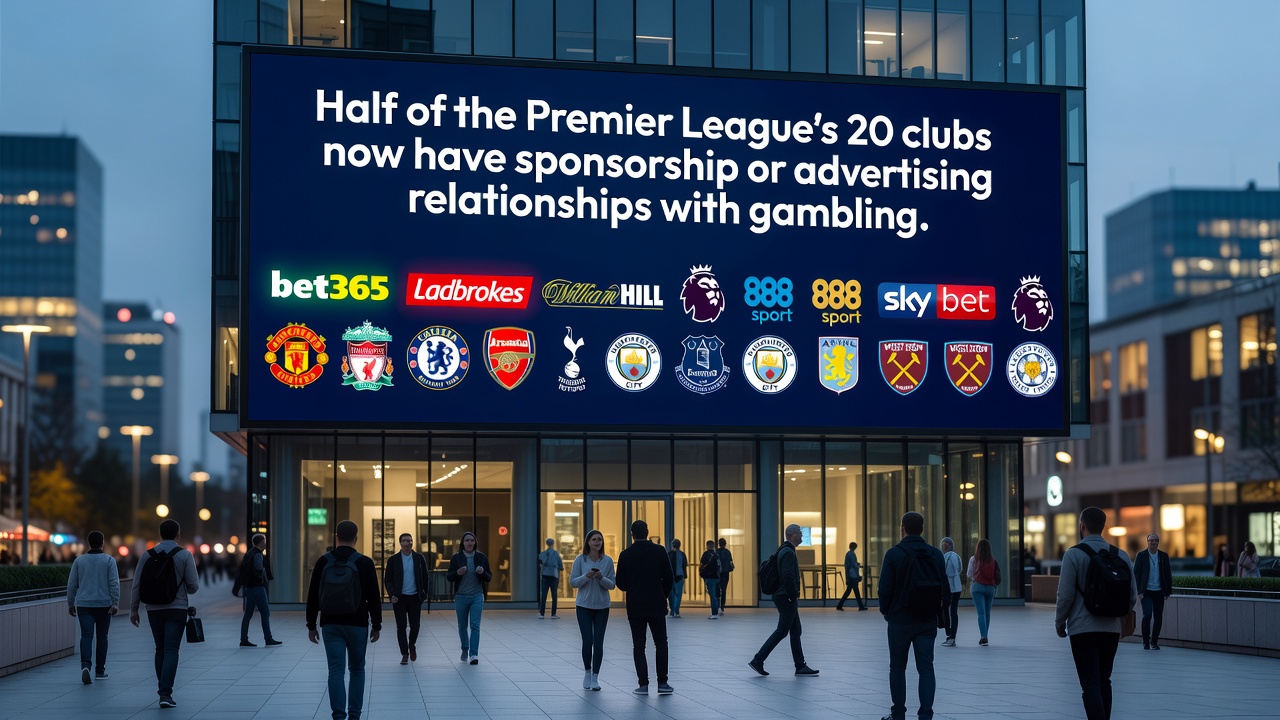
Broader conversations around gambling harms continue to examine how major events like the World Cup intersect with existing patterns of problem gambling, and researchers tracking participation metrics have identified correlations between tournament timing and spikes in calls to support services as well as self-exclusion registrations. Government and industry reports track these indicators closely, noting that while overall participation rises during such periods, the distribution of harms does not affect all demographic groups equally, with younger adults and those already engaged in multiple gambling formats showing heightened vulnerability according to longitudinal studies.
Industry trends further illustrate that technological advancements in betting apps have reduced friction between different product categories, allowing users to move from sports markets to casino games within seconds, and this integration has prompted renewed scrutiny from reform groups who advocate for stricter separation of promotional streams. Licensing conditions already require operators to monitor customer behavior for signs of harm, yet campaigners argue that event-driven volume increases can overwhelm these safeguards when promotional incentives encourage rapid escalation of activity.
Industry and Regulatory Responses to Projected Trends
Operators have responded to advance projections by enhancing responsible gambling tools such as deposit limits and reality checks that activate during high-traffic periods, and these measures coincide with ongoing policy discussions about how best to balance commercial opportunities with consumer protection standards. Regulatory bodies continue to review data from past tournaments to refine guidance, focusing on whether additional restrictions on cross-category promotions might be warranted ahead of the 2026 event.
Public health stakeholders emphasize that awareness campaigns timed around major competitions can inform bettors about available support resources, and these initiatives often highlight the distinction between recreational football betting and more intensive casino engagement that carries different risk profiles. Observers note that transparent communication from operators regarding product transitions remains a key area of focus as preparations intensify for June 2026.
Conclusion
The convergence of record projected betting volumes, warnings about cross-promotion to casino content, and wider debates on gambling harms sets the stage for heightened attention as the 2026 World Cup approaches, with stakeholders across the spectrum preparing responses based on evidence gathered from previous events and current industry practices. According to BBC coverage of these developments, the interplay between commercial growth and regulatory oversight will likely define how the sector manages the anticipated surge while addressing associated risks.