Twilight Thoroughbred Racing: Evening Patterns That Shape Accumulator Strategies
Leon Franke · May 31, 2026
Twilight Thoroughbred Racing: Evening Patterns That Shape Accumulator Strategies
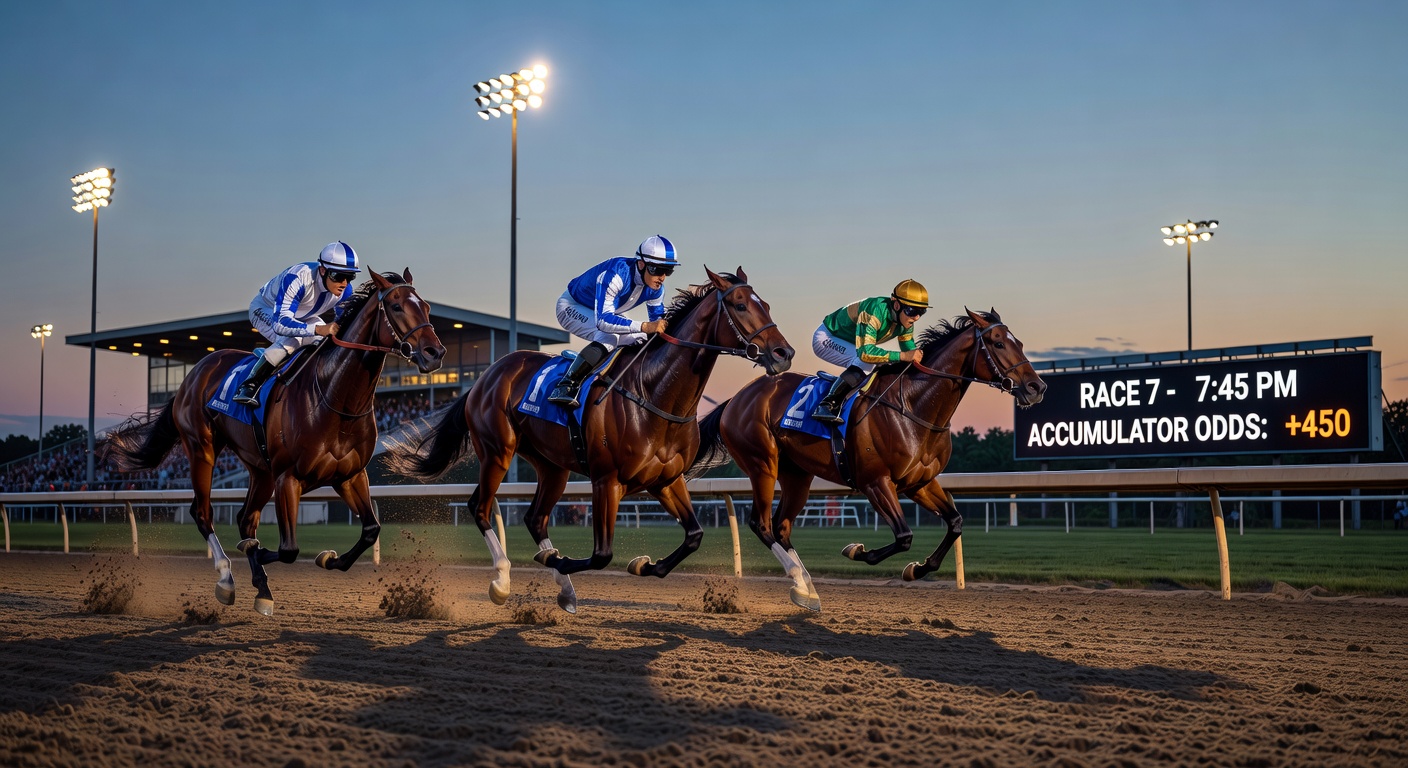
Twilight racing sessions in thoroughbred events run from late afternoon into early evening, and data from multiple tracks shows distinct performance shifts compared with midday cards. Observers note cooler air temperatures, changing light levels, and altered track moisture that influence both horse effort and race outcomes. These conditions appear regularly in May 2026 fixtures across Europe and North America, where evening meetings often feature accumulators built around the final four or five races.
Lighting and Visibility Effects on Race Dynamics
Artificial lighting systems activate as natural light fades, yet shadows persist along the home straight for several minutes after sunset. Studies conducted by the Irish Horseracing Regulatory Board indicate that horses with proven records under floodlights record higher strike rates in the final two races of twilight cards. Trainers adjust blinkers and hoods to counter reduced visibility, and those adjustments correlate with improved positioning in the closing stages. Jockeys report that pace judgment changes because distances become harder to gauge until the field enters the illuminated zone.
Temperature Drops and Their Influence on Horse Performance
Ambient temperature typically falls between four and seven degrees Celsius during twilight hours, and veterinary records show that this drop affects muscle recovery between races. Horses entered in consecutive evening events often receive additional cooling measures, while those making a single start benefit from the fresher air. Data compiled by the Jockey Club in the United States reveals that favorites in the 7:00 p.m. to 8:30 p.m. window win at a slightly lower rate than their morning-line odds suggest, whereas mid-priced runners with strong late-pace figures improve their success percentage.
Track Surface Changes During Evening Meetings
Moisture content on turf courses rises after sunset because dew formation begins, and this alters footing for horses that prefer firm ground. Hand-timed sectional data from several Irish and French tracks confirm that leaders maintain advantages longer on softening ground, while closers require extra distance to make up ground. Polytrack and dirt surfaces retain warmth longer, yet they also compact differently under floodlights, producing times that trend marginally slower than afternoon equivalents. Bettors constructing accumulators therefore review the last two twilight meetings at each venue to identify surface-specific biases before locking selections.
Statistical Patterns in Twilight Accumulator Construction
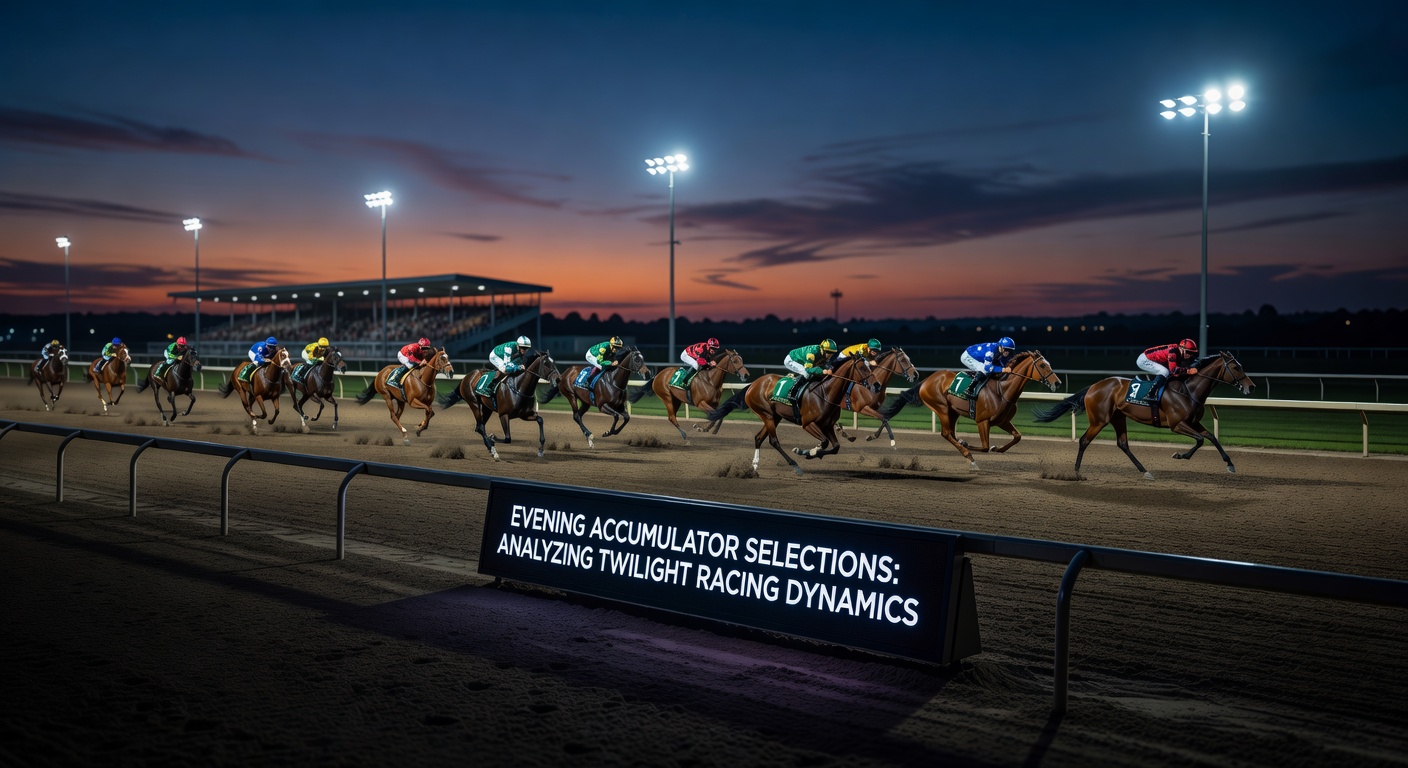
Historical results from 2024 through early 2026 demonstrate that certain combinations appear more frequently in successful evening multiples. Trainers who stable runners exclusively for twilight slots post higher win percentages in the 6:30 p.m. to 8:00 p.m. period. Jockeys with strong records under lights also cluster in the top three finishers more often than random distribution would predict. Those compiling accumulators therefore cross-reference trainer and jockey twilight statistics with the prevailing weather forecast for the meeting date.
What's interesting is how pace maps shift once the card moves under lights. Early speed holds up more reliably on turf once dew settles, while synthetic tracks favor horses that settle mid-pack and finish strongly. Analysts at the Australian Racing Board have published pace figures that separate twilight results from daytime cards, and those figures feed directly into model adjustments used by professional syndicates.
Practical Application for Evening Accumulator Selections
Accumulators built around twilight racing typically cover the last three or four races because the lighting and temperature effects stabilize by then. Bettors review sectional timing from previous evening fixtures at the same track, then compare each horse's recent closing splits under similar conditions. They also note trainer comments regarding blinkers or tongue ties added specifically for twilight starts. This layered approach produces selections that account for both form and environmental variables rather than relying solely on overall career records.
One study released by researchers at the University of Guelph examined Canadian thoroughbred meetings and found that horses racing within two hours of sunset show measurable changes in stride length once temperatures drop below 15 degrees Celsius. Those findings have been incorporated into several commercial handicapping services that supply evening-specific ratings for accumulator builders.
Conclusion
Twilight thoroughbred racing presents measurable differences in lighting, temperature, and track conditions that affect outcomes in predictable ways. Data from regulatory bodies and academic institutions across multiple regions continue to refine understanding of these patterns. Bettors who integrate surface-specific sectional analysis, trainer twilight statistics, and temperature-adjusted pace figures into their selections gain a clearer framework for constructing evening accumulators. As fixture lists expand in 2026, these environmental variables remain central to informed decision-making on late-race multiples.