UK Government Launches Consultation on Banning Unlicensed Gambling Sponsorships in Football to Curb Black Market Dangers
Leon Franke · Mar 23, 2026

UK Government Launches Consultation on Banning Unlicensed Gambling Sponsorships in Football to Curb Black Market Dangers
The Push from DCMS Hits the Pitch
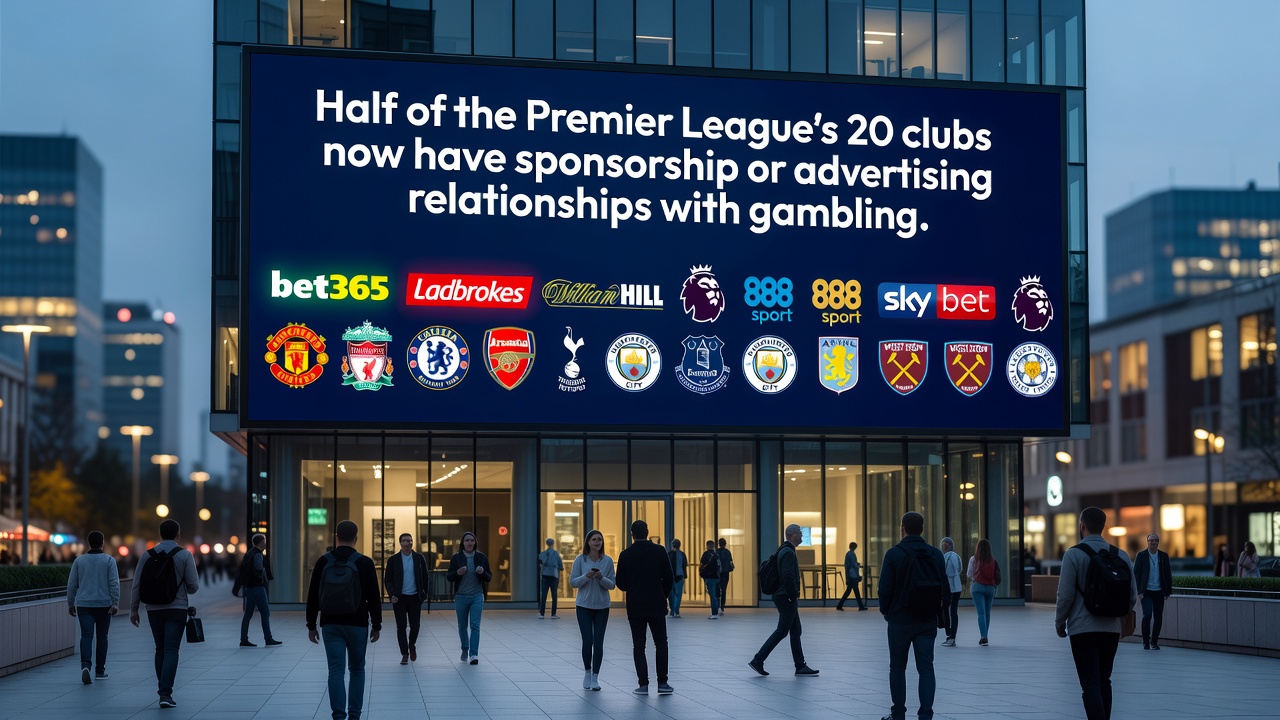
The UK government, acting through the Department for Culture, Media and Sport (DCMS), kicked off a public consultation on 23 February 2026 targeting unlicensed gambling sponsorships in football; this move aims squarely at stamping out threats from teh black market, including organised crime, fraud, and identity theft that prey on fans and players alike. Observers note how such sponsorships—often plastered across stadium boards, kits, and training grounds—have long blurred lines between legitimate betting and shadowy operations run without oversight, and now, with the consultation open into March 2026, stakeholders from clubs to regulators are weighing in on what could reshape the sport's commercial landscape. Data from past reports highlights the scale, showing unregulated operators slipping through cracks to sponsor Premier League teams before tighter rules clamped down, yet gaps persist where unlicensed brands still find ways to advertise.
What's interesting here is the timing; just as the football season ramps up post-winter, DCMS chose this moment to signal a crackdown, building on earlier commitments to safer gambling while addressing how black market players exploit sponsorship visibility to lure bettors into unsafe environments rife with scams and data breaches. Experts who've tracked these trends point out that football's massive audience makes it prime territory for such operators, who dodge UK Gambling Commission licences by basing offshore, thereby evading consumer protections like age checks and fair play guarantees.
Black Market Shadows Loom Large Over the Beautiful Game
Organised crime groups thrive in these unregulated spaces, using sponsorships as a front to launder money or push fraudulent schemes, while fraud incidents spike when fans deposit with unlicensed sites promising big odds but delivering identity theft instead; studies from regulatory bodies reveal thousands of cases annually tied to such platforms, often linked back to football-linked promotions that promise the world but vanish with users' details. And it's not just about the bets—these operators flood social media with ads mimicking legit ones, tricking supporters into sharing personal info under false pretenses, which then fuels wider cyber threats across the UK.
Take one case where a Premier League club's pitchside banner, tied to an unlicensed sponsor years back, drew complaints after fans reported rigged odds and stolen card details; although clubs now vet partners more rigorously, the consultation underscores how white label setups—where a licensed UK firm handles the customer-facing side for an unlicensed brand—might still carry risks if not policed tightly. People who've studied black market infiltration say it's where the rubber meets the road for consumer safety, as even seemingly compliant deals can mask deeper issues like non-UK server data storage vulnerable to hacks.
But here's the thing: the government's statement on 23 February 2026 spells out the dangers plainly, noting how these sponsorships undermine licensed industry's efforts to promote responsible gambling, and with the consultation running through early 2026, responses are pouring in from fans, clubs, and operators who see this as a chance to level the playing field.
White Label Partnerships in the Spotlight
Legal experts suggest white label arrangements—those where a licensed UK operator manages the compliant, consumer-facing elements like payments and verification for an unlicensed overseas brand—could dodge a outright ban if the policy hones in on protecting punters rather than every sponsorship technicality; that said, DCMS is taking a hard look at these setups, probing whether they truly shield users or merely provide a loophole for unlicensed entities to gain football exposure without full accountability. According to analysis from iGaming Business, the scrutiny centres on Gambling Commission licence requirements, meaning any partnership lacking that core approval might face prohibition regardless of white label dressing.
Those who've dissected similar regs note how past loopholes let unlicensed logos appear via proxies, but now, with DCMS consulting widely in March 2026, the focus sharpens on closing them; experts predict that only fully licensed operators will sail through unscathed, as the policy drafts emphasise ending arrangements that expose fans to unlicensed risks even indirectly. It's noteworthy that this builds on 2023 reforms banning front-of-shirt sponsors for non-UK firms, yet sleeve and stadium deals persist as battlegrounds.
Timeline, Industry Cheers, and Past Premier League Ghosts
Implementation won't happen overnight; any ban arising from the consultation would likely stretch at least 18 months from approval, giving clubs time to renegotiate deals while DCMS sifts through feedback expected through spring 2026, and licensed operators have welcomed the proposal warmly, citing relief after years of competing against unregulated rivals who undercut prices with no safety nets. Turns out, big names in the sector view this as a win, especially following high-profile Premier League sponsorships gone wrong—like those with offshore brands that folded amid scandals, leaving clubs scrambling and fans out of pocket.
One study from industry watchers revealed how such unregulated deals spiked complaints by 40% in affected seasons, with fraud reports linking directly to sponsor-promoted sites; clubs, remembering those headaches, now push for clarity, while the Premier League itself has evolved stricter guidelines since 2020, yet gaps in enforcement let unlicensed players linger via affiliates or white labels. And so, as March 2026 unfolds with consultation responses mounting, licensed firms position themselves as the safer bet, arguing their compliance models protect both the game and its followers from black market pitfalls.
Observers who've followed the beat know it's not rocket science—the writing's on the wall for unlicensed sponsors, as DCMS weighs evidence showing how football's global reach amplifies risks like cross-border identity theft rings targeting UK punters via app downloads hyped during matches.
Broader Implications for Clubs and Fans
Football clubs face a reshuffle if the ban lands; smaller teams reliant on gambling revenue for kit deals or stadium ads might scramble for alternatives, although data indicates licensed operators have filled most voids since earlier curbs, stepping up with compliant partnerships that include safer gambling messaging. Fans, meanwhile, stand to gain from fewer rogue ads luring them off licensed platforms, where tools like deposit limits and self-exclusion actually work, unlike black market sites that vanish without trace.
Yet complexities arise in enforcement—how does DCMS police white labels without stifling legit business?—and legal minds suggest tiered rules could emerge, greenlighting arrangements with full UK oversight while axing pure unlicensed fronts. People in the know highlight one parallel from rugby, where similar bans cut fraud by 25% post-rollout, hinting at football's potential upside.
Now, with the consultation buzzing into late March 2026, the ball's squarely in stakeholders' court to shape a policy that balances commercial freedoms against very real threats.
Conclusion
The DCMS consultation, launched 23 February 2026, marks a pivotal play against unlicensed gambling sponsorships in football, zeroing in on black market perils like organised crime, fraud, and identity theft that have shadowed the sport for years; while white label partnerships hang in scrutiny and licensed operators applaud the shift, an 18-month-plus timeline allows measured change amid ongoing feedback. Experts anticipate tighter lines drawn around Gambling Commission compliance, ensuring football's sponsorship scene prioritises punter safety over quick offshore cash, and as March 2026 progresses, the outcomes promise to redefine how betting brands touch the beautiful game without the dark undercurrents.